When people think about ageing, they tend to think about a point in time. Something that happens later, something to respond to when it arrives. In reality, it’s much quieter than that. It’s a gradual shift in how the body regulates itself including how it manages energy, how it maintains muscle, how it responds to stress, how well it recovers and even down to our appetite levels. Not many people realise but most of this is happening long before we notice it because the changes are so slow and gradual.
One of the more important changes is around muscle. From our mid-30s onwards, we begin to lose muscle mass slowly unless we actively maintain it. That’s not just about strength or aesthetics, muscle plays a central role in metabolic health, glucose regulation and overall resilience. It’s what allows the body to handle stress, maintain energy and stay physically capable. One of the best things we can do to help prevent muscle loss is to stay active, especially focusing on weight bearing exercise. This is important for everyone and as a by-product can also help in preventing declining testosterone levels and supporting the body after the menopause. If you are a member of one of our leisure centres, you can consider some of our classes or speak to one of the trainers who would be able to point you in the right direction of a plan to follow to help maintain and build your muscle mass.
Alongside that, insulin sensitivity tends to reduce slightly over time. Not dramatically, but enough that the way we eat starts to matter more. Large fluctuations in blood sugar become less well tolerated, which can show up as dips in energy, increased fatigue or a sense that things feel harder than they should. You don’t need to do anything big here - a few simple steps such as a light walk after a main meal, always having your carbohydrate with a source of protein, and ensuring you are fully hydrated so you aren’t misreading thirst for hunger can make a huge difference to this insulin sensitivity.
Then there’s the cumulative effect of stress. Over time, if the body is regularly operating in a more activated state without enough recovery, it begins to shift baseline. Sleep becomes lighter, inflammation creeps up slightly, and the immune system becomes a little less efficient. I hear all the time people say about how they can’t cope with things in the way that they used to - this isnt a sign of weakness or anything being wrong, just simply a sign that your adrenal glands, the organs that produce the stress hormones, just simply don’t respond as effectively as perhaps they used to.
None of this is sudden. It’s subtle, but it adds up. What’s important is that these changes are not fixed. They are heavily influenced by how the body is supported day to day.
Nutrition plays a central role in that. Not in the sense of restriction or eating perfectly or being good or bad, but in providing consistent input which is - enough energy, enough protein and enough micronutrients so the body isn’t constantly having to compensate.
Movement matters just as much, particularly maintaining some form of strength-based activity to preserve muscle. Sleep and stress regulation sit alongside this, influencing how well everything else works.
Ageing well is not about trying to slow time. It’s about maintaining function. It’s about still having energy when you need it, feeling physically capable, thinking clearly, and recovering well. Those things don’t come from one intervention, but from the accumulation of small, consistent inputs over time.
Find out what our National Fitness Manager has to say about strength training for older adults
New Partnership with Age UK.
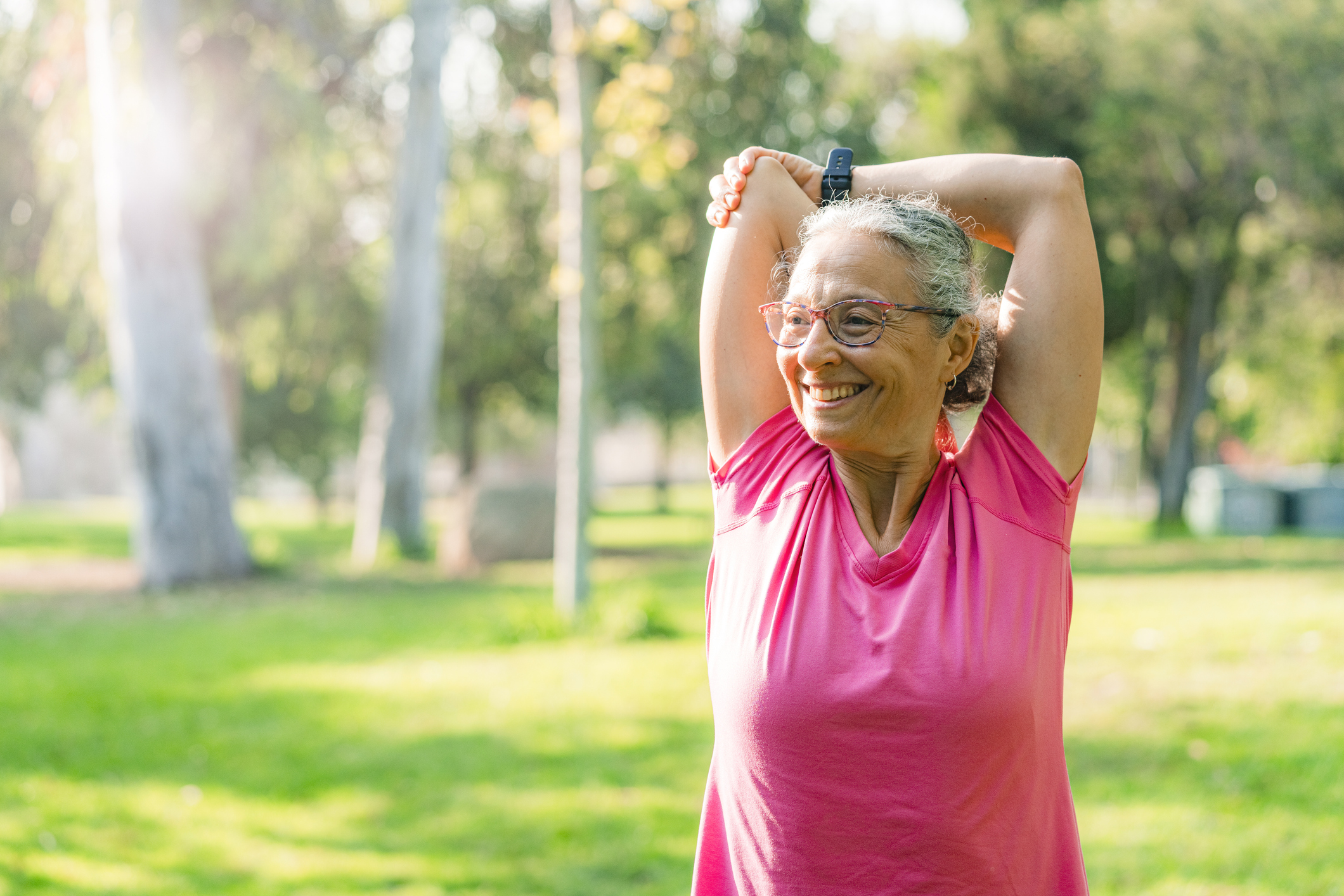
Adopting healthier lifestyles earlier on in our lives could increase our chances of a rich and full later life – even just small steps can make a big difference.
That’s why Age UK launched Act Now, Age Better. We see every day the challenges that getting older can bring, particularly around health and wellbeing. We want to get people in mid-life (aged 50-65) thinking, talking and taking actions that are going to be help them in their years to come.